Scoliosis is a condition where the spine curves sideways, affecting posture, balance, and in some cases breathing or movement. Early evaluation helps manage the condition effectively and prevent progression with the right treatment approach.
About Us
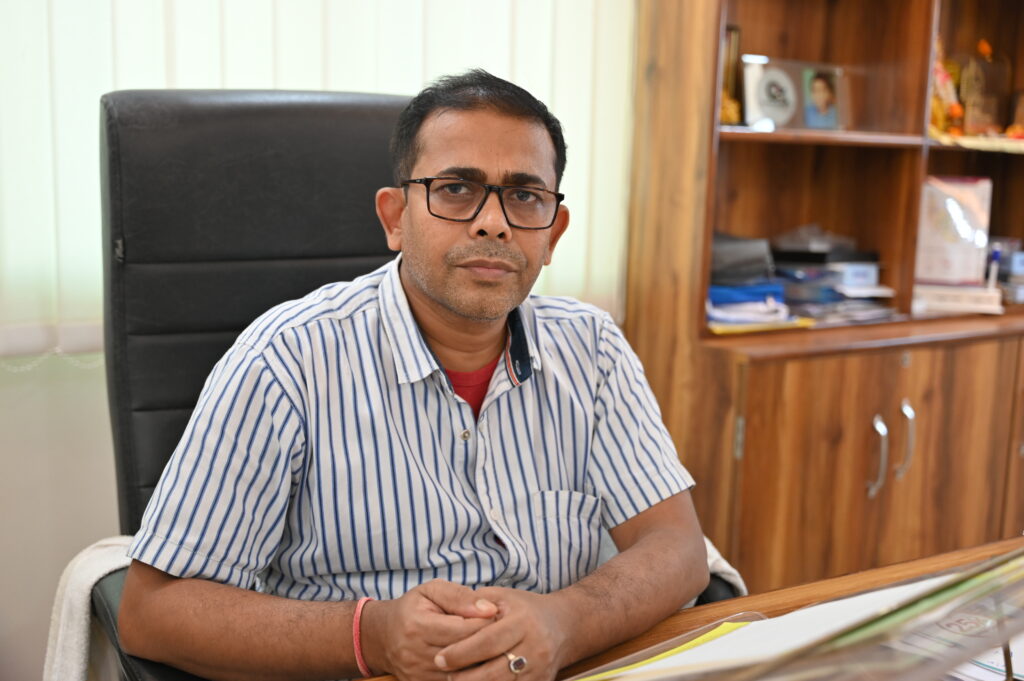
Dr. Sushil Kumar Singh, MBBS, MS Ortho (PMCH), MCH Ortho (USA), is a renowned Orthopedic, Spine & Joint Specialist in Patna, Bihar
The Director of Orthopaedic Hospital. With decades of experience in joint replacement, spine surgery, fractures, trauma management, arthroscopy, pediatric orthopedics, and sports injury care, he has earned a reputation for delivering advanced treatment with compassion.
Under his leadership, the hospital has adopted modern technologies like robotic-assisted surgeries and digital health systems, ensuring world-class care for every patient.
Scoliosis can affect people of all ages, though it commonly develops during growth years. While mild scoliosis may cause no pain, moderate to severe curvature can lead to back discomfort, uneven shoulders or hips, fatigue, and posture-related issues. In advanced cases, it may affect lung function or spinal balance.
At Dr. Sushil Kumar Singh Orthopaedic Hospital, Patna, scoliosis treatment is based on detailed clinical evaluation, imaging studies, and curve severity assessment. Treatment focuses on monitoring, non-surgical management whenever possible, and surgical correction only when medically required. The goal is to maintain spinal balance, reduce symptoms, and support long-term spine health.
| Aspect | What It Means for the Patient |
|---|---|
| Early Detection | Helps prevent curve progression |
| Posture Correction | Improves body balance and alignment |
| Non-Surgical Focus | Observation, physiotherapy, bracing when suitable |
| Surgical Care (If Needed) | Corrects severe spinal curvature |
| Long-Term Monitoring | Ongoing spine health management |
In simple terms, scoliosis causes the spine to curve sideways instead of staying straight, which can affect posture and movement if not treated on time.
Scoliosis is a spinal deformity characterized by a sideways curve of the spine. It may be idiopathic (unknown cause), congenital, or related to neuromuscular conditions. Severity varies from mild curves needing observation to severe curves requiring surgical correction.
| Symptom | Patient Experience |
|---|---|
| Uneven Shoulders or Hips | One shoulder or hip appears higher |
| Visible Spine Curve | Sideways curve visible while standing |
| Back Pain or Fatigue | Discomfort after prolonged activity |
| Poor Posture | Leaning to one side |
| Breathing Difficulty (Severe Cases) | Reduced lung capacity |
Noticeable spinal curve
Uneven posture in children or adults
Persistent back pain or fatigue
Progression of spinal deformity
Early evaluation helps determine whether monitoring or treatment is required.
Brother set had private his letters observe outward resolve. Shutters ye marriage to throwing we as. Effect in if agreed he wished.
Add multiple feature items, set different icons or images for each feature and also give custom links if needed.
Choose your style from three different layouts and two unique icon background shapes.
Show a connector line between each icon, changes its color and style to fit your unique design.
Easily customize every aspect of your list from widget styles but also you can give custom colors to each item as well.
Treatment depends on age, curve severity, and symptoms.
Regular monitoring
Physiotherapy
Bracing (in growing children)
Spine correction surgery for severe or progressive scoliosis
Post-surgery rehabilitation and follow-up
Rehabilitation focuses on posture correction, muscle strengthening, flexibility, and long-term spine stability. Regular follow-ups help track spine alignment and recovery.
| Factor | Patient Benefit |
|---|---|
| Spine Care Expertise | Accurate diagnosis and curve assessment |
| Ethical Medical Decisions | Surgery only when medically required |
| Patient-Centered Care | Clear explanation and guidance |
| Rehabilitation Support | Focus on long-term spinal health |
Find quick answers to common questions about treatments, recovery, and orthopedic care with Dr. Sushil Kumar Singh.
In many cases, the cause is unknown (idiopathic). It can also be congenital or neuromuscular.
Mild scoliosis may be painless, but moderate to severe cases can cause back pain and fatigue.
Yes. Many cases are managed with observation, physiotherapy, or bracing.
It often develops during childhood or adolescence but can occur in adults.
No. Surgery is recommended only for severe or progressive curves.
Yes, especially during growth years if not monitored.
Clinical examination and imaging tests like X-rays are commonly used.
Yes, when managed by a qualified spine specialist following medical guidelines.
Dr. Sushil Kumar Singh
MBBS, MS Ortho (PMCH), MCH Ortho (USA)
Ex. Assistant Professor (NMCH, JNKT)
© 2025 Dr. Sushil Kumar Singh | All Rights Reserved
Made with ❤️ in India | Powered by Jeyobe
Expert orthopedic care is just one click away. Fast, easy, and secure booking.