A slipped disc can cause persistent back pain, leg pain, numbness, or weakness due to nerve compression. When symptoms continue despite basic treatment, a proper spine evaluation helps identify the right treatment approach and prevent further discomfort.
About Us
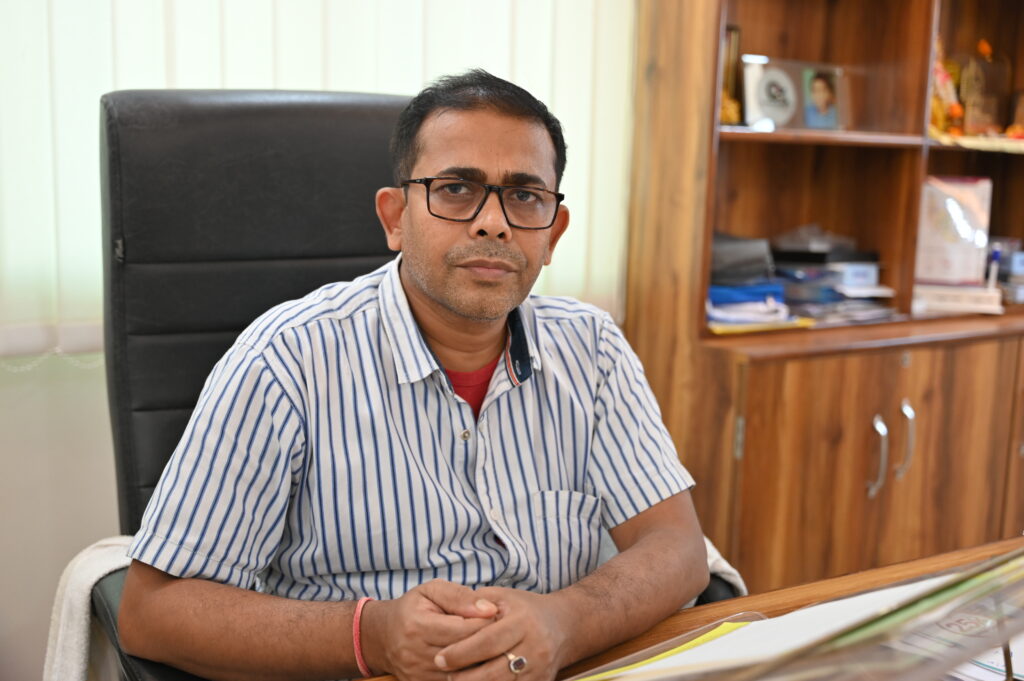
Dr. Sushil Kumar Singh, MBBS, MS Ortho (PMCH), MCH Ortho (USA), is a renowned Orthopedic, Spine & Joint Specialist in Patna, Bihar
The Director of Orthopaedic Hospital. With decades of experience in joint replacement, spine surgery, fractures, trauma management, arthroscopy, pediatric orthopedics, and sports injury care, he has earned a reputation for delivering advanced treatment with compassion.
Under his leadership, the hospital has adopted modern technologies like robotic-assisted surgeries and digital health systems, ensuring world-class care for every patient.
Back pain that spreads to the legs, numbness, or weakness can be signs of a slipped disc. This condition commonly affects the lower back or neck and may develop due to age-related disc wear, poor posture, heavy lifting, or injury. While many cases improve with rest and physiotherapy, some require advanced medical care when symptoms persist or worsen.
At Dr. Sushil Kumar Singh Orthopaedic Hospital, Patna, slipped disc treatment is planned after careful clinical evaluation and imaging studies. The focus is on relieving nerve pressure, reducing pain, and restoring normal movement using non-surgical methods whenever possible, and surgical options only when medically necessary.
| Aspect | What It Means for the Patient |
|---|---|
| Pain Relief | Helps reduce back and leg pain caused by nerve compression |
| Nerve Decompression | Treatment aimed at relieving pressure on spinal nerves |
| Non-Surgical Priority | Physiotherapy and medication preferred when suitable |
| Structured Recovery | Guided rehabilitation to restore movement safely |
In simple terms, a slipped disc happens when a spinal disc bulges or ruptures and presses on nearby nerves, leading to pain and movement difficulty.
A slipped disc occurs when the soft inner portion of a spinal disc protrudes through its outer layer. This can irritate nearby nerves and cause pain in the back, neck, arms, or legs depending on the affected spinal level.
| Symptom | Patient Experience |
|---|---|
| Lower Back or Neck Pain | Persistent or sharp pain that may worsen with movement |
| Radiating Pain | Pain spreading to legs (sciatica) or arms |
| Numbness or Tingling | Reduced sensation in limbs |
| Muscle Weakness | Difficulty standing, walking, or gripping |
| Pain While Sitting | Discomfort during prolonged sitting or bending |
You should consult a specialist if pain lasts more than a few weeks, worsens over time, affects walking or daily activities, or is associated with weakness or numbness.
Brother set had private his letters observe outward resolve. Shutters ye marriage to throwing we as. Effect in if agreed he wished.
Add multiple feature items, set different icons or images for each feature and also give custom links if needed.
Choose your style from three different layouts and two unique icon background shapes.
Show a connector line between each icon, changes its color and style to fit your unique design.
Easily customize every aspect of your list from widget styles but also you can give custom colors to each item as well.
Each case is treated based on symptom severity and diagnostic findings.
Non-Surgical Options (First Line):
Pain management
Physiotherapy
Posture and activity correction
Surgical Option (When Required):
Spine surgery to relieve nerve compression
Post-procedure rehabilitation and follow-up
Most patients improve with conservative treatment. Rehabilitation focuses on strengthening spinal muscles, improving posture, and preventing recurrence under medical guidance.
| Factor | Patient Benefit |
|---|---|
| Spine Care Experience | Accurate diagnosis and appropriate treatment planning |
| Ethical Decision Making | Surgery advised only when truly required |
| Patient-Focused Care | Clear explanation and step-by-step guidance |
| Rehabilitation Support | Focus on long-term spine health |
Find quick answers to common questions about treatments, recovery, and orthopedic care with Dr. Sushil Kumar Singh.
A slipped disc, also known as a herniated disc, occurs when the soft inner part of a spinal disc bulges or leaks out and presses on nearby nerves, causing pain, numbness, or weakness.
Common symptoms include back or neck pain, pain radiating to the legs or arms (sciatica), numbness, tingling sensation, muscle weakness, and difficulty sitting or walking.
Yes. Most slipped disc cases can be treated without surgery using medication, physiotherapy, posture correction, and lifestyle changes. Surgery is considered only when symptoms are severe or do not improve.
You should consult a doctor if pain lasts more than a few weeks, worsens over time, affects daily activities, or is associated with weakness, numbness, or difficulty walking.
Recovery time varies depending on the severity of the condition and treatment method. Many patients improve within a few weeks with proper non-surgical care and guided physiotherapy.
Yes. A slipped disc in the lower back can press on the sciatic nerve, causing pain, tingling, or numbness that travels down the leg.
No. Surgery is not required in most cases. It is recommended only when there is severe nerve compression, persistent pain, or loss of muscle strength that does not respond to conservative treatment
Recurrence is possible, especially without proper posture, exercise, and lifestyle care. Following medical advice and rehabilitation helps reduce the risk of recurrence.
Diagnosis usually involves a clinical examination and imaging tests such as X-ray or MRI to assess disc condition and nerve involvement.
Yes. When managed by a qualified orthopedic or spine specialist, slipped disc treatment is safe and follows evidence-based medical protocols.
Dr. Sushil Kumar Singh
MBBS, MS Ortho (PMCH), MCH Ortho (USA)
Ex. Assistant Professor (NMCH, JNKT)
© 2025 Dr. Sushil Kumar Singh | All Rights Reserved
Made with ❤️ in India | Powered by Jeyobe
Expert orthopedic care is just one click away. Fast, easy, and secure booking.